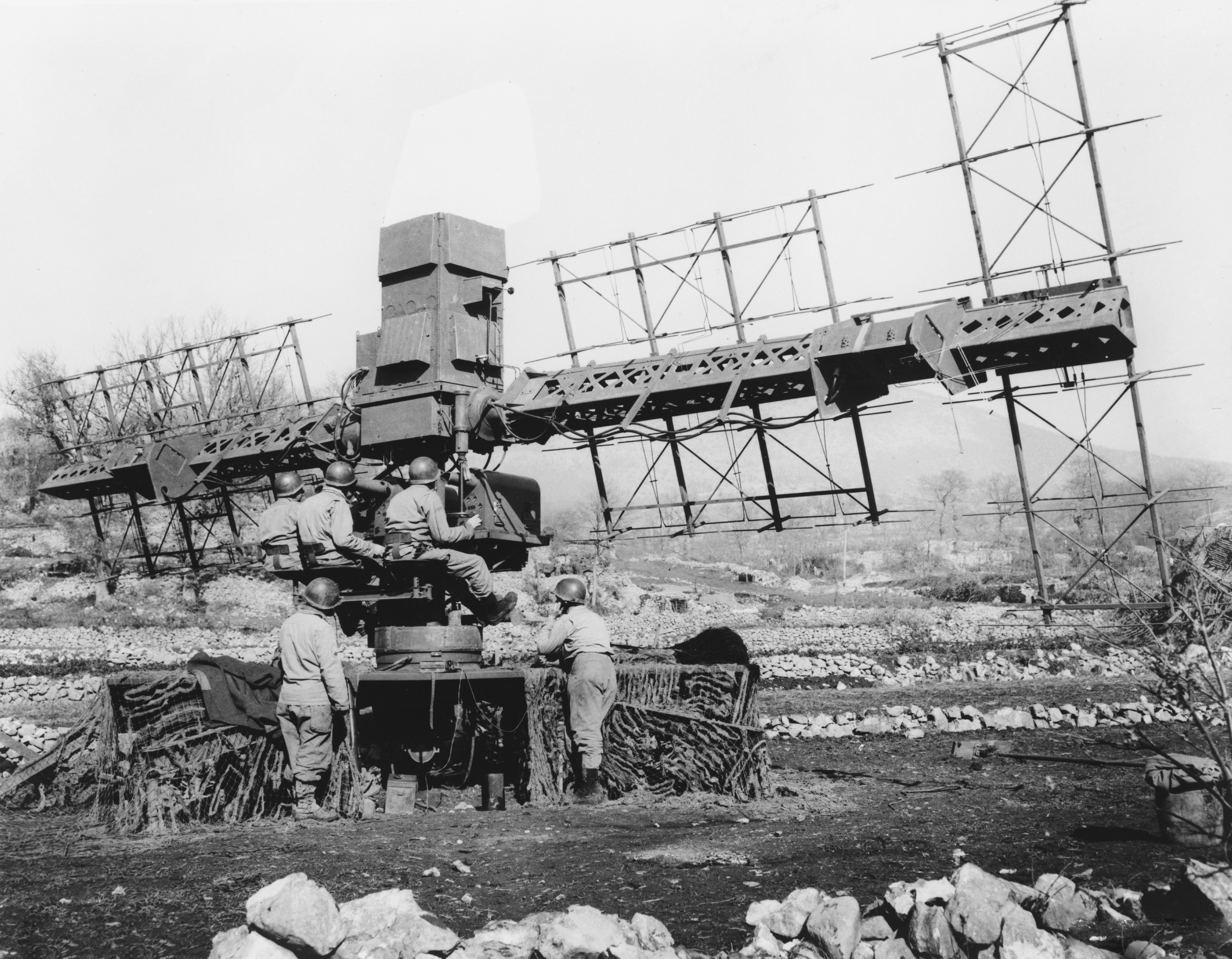
What is Radar?
Radar, which stands for Radio Detection and Ranging, is a technology that uses electromagnetic waves to detect objects and determine their distance. By emitting radio waves and analyzing the echoes returned, radar systems can identify the position, speed, and even the characteristics of various targets, such as aircraft, ships, and weather formations.
How Do Electromagnetic Waves Function in Radar?
The core of radar systems is their ability to send out electromagnetic waves. These waves travel through the air at the speed of light. When they encounter an object, they bounce back to the radar system. This process of emitting and receiving waves enables the radar to measure the time it takes for the waves to return, which is crucial in calculating the distance of the object. The frequency of these waves can also affect the resolution and accuracy of the radar readings, providing clearer images at higher frequencies.
Applications of Radar Technology
Radar technology is used in various fields, including aviation, marine navigation, and weather forecasting. For instance, in aviation, radars help in air traffic control, ensuring safety by monitoring aircraft positions. In weather forecasting, radar systems detect precipitation and storm movements, allowing meteorologists to predict weather changes effectively. Overall, the integration of electromagnetic waves into radar systems has revolutionized how we understand and interact with our environment.